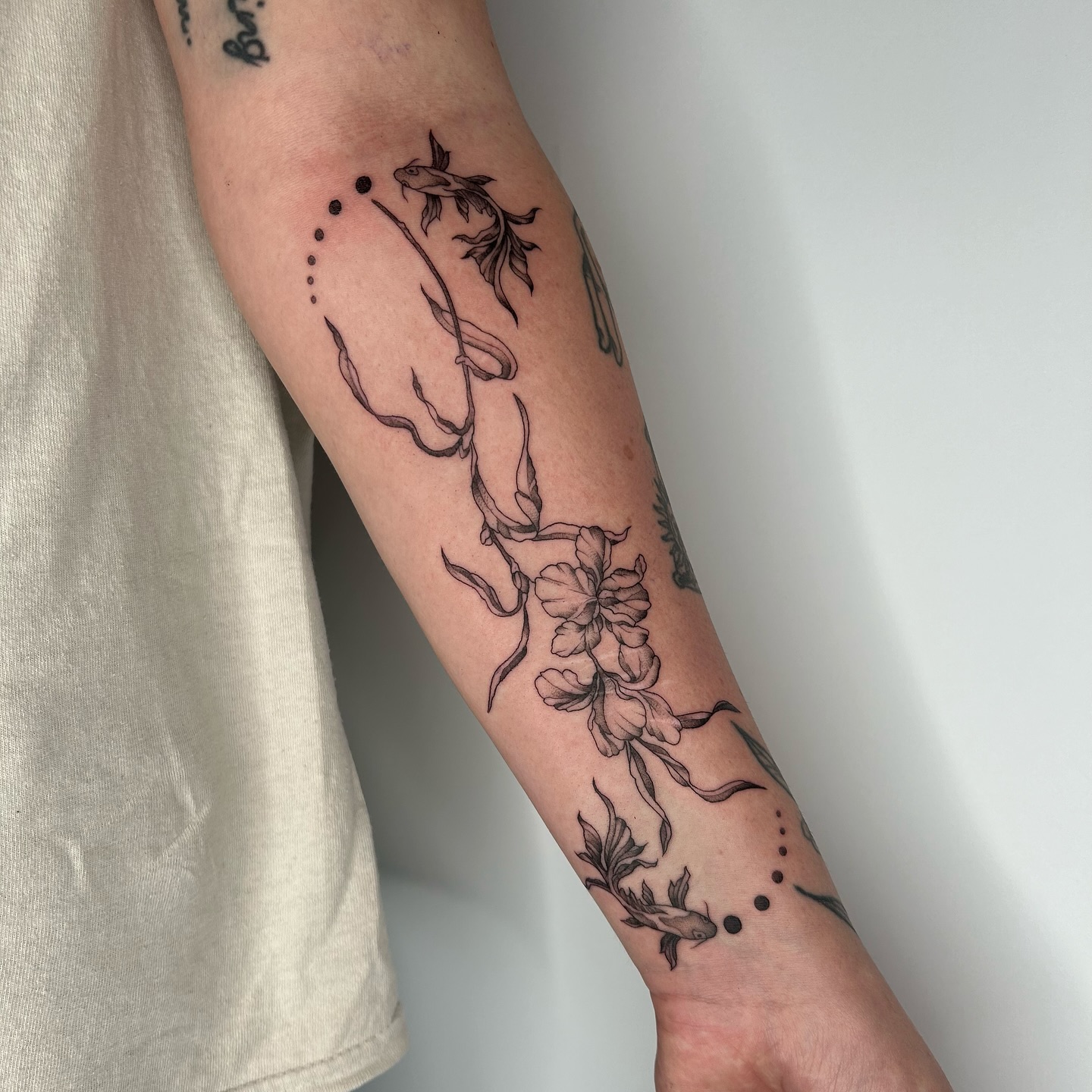
Fine line tattooing is not a hobby you pick up and immediately monetise. But it is a career that can become your main income faster than almost any other creative discipline, if you know what to do in those first six months.
We have watched hundreds of students come through our courses. Some are fully booked within eight weeks. Others are still hesitating six months later. The difference is almost never talent. It is almost always the steps they took, or did not take, in the weeks immediately after completing their training.
This guide is an honest, practical breakdown of what the most successful students do.
Month 1: Set Yourself Up Before Your First Client
The biggest mistake new artists make is waiting until they feel ready before setting up their social presence, workspace, and processes. By the time you have your first booking, these things should already be in place.
Your Instagram profile comes first. Fine line tattooing is an Instagram-driven industry. Your profile is your portfolio, your business card, and your booking page all in one. In month one, your goal is not followers; it is content. Post your practice skins. Post your setup. Post the work you created during your live model sessions on the course. Even imperfect early work, posted consistently and honestly, builds an audience.
Caption your posts with intention. Do not just post a photo. Write a caption that tells people you are a fine line tattoo artist based in your city and taking bookings. Use the location in every relevant post. "Fine line tattoo artist in Manchester" in your caption and bio costs nothing and gets you in front of local searches.
Sort your workspace. Whether you are working from home or renting a chair at a studio, have your setup ready before you take a booking. Clean, professional, photographable. Clients want to know they are coming somewhere that takes hygiene and professionalism seriously.
Register with your local council. Tattooing in the UK requires registration with your local authority. The process varies by council but is typically straightforward and costs around £100 to £200. Do not skip this; it is a legal requirement and also demonstrates professionalism to clients.
Months 2 to 3: Build Your Portfolio With Real Work
Practice skins are essential, but photographs of work on real skin convert enquiries into bookings at a completely different rate. In months two and three, your priority is getting real skin work into your portfolio.
Run a model call. Post on Instagram and Facebook in your local area offering discounted or free tattoos in exchange for photos and a review. Be clear about the designs you are offering; stick to your strengths at this stage. Botanicals, fine line florals, simple linework. Do not try to take on complex custom work before you have built your confidence.
Tattoo friends and family. Tell everyone you know. Your first ten clients will almost certainly come from people you know personally or through your existing network. This is not cutting corners; it is how almost every tattoo artist starts.
Photograph everything. Every single piece you do, photograph properly. Clean background, good light, healed shots if possible. Your portfolio is your most important business asset. One excellent photograph of a healed piece is worth more than ten mediocre shots of fresh work.
Get your first reviews. Ask every client to leave you a Google review and a review on your social profile. Social proof matters enormously in a service where people are trusting you with their skin.
Months 4 to 5: Start Taking Paid Bookings
If you have done months one through three right, you should now have a small portfolio of real skin work, some reviews, and an Instagram presence that is growing. This is when you start converting enquiries into paid bookings.
Set a clear booking process. Make it easy for people to book you. Have a booking email or a simple form. Be responsive. Reply to every enquiry within 24 hours. The number of bookings lost to slow response times is staggering.
Price yourself competitively but fairly. Start at £60 to £80 per hour. This is below the market rate for established fine line artists, which is intentional as you are still building your reputation. You will raise your rates, but not yet. For a full breakdown of what established artists earn at each stage, see our guide: How Much Do Fine Line Tattoo Artists Earn in the UK?
Take a deposit. Even at discounted rates, always take a deposit to hold a booking. This filters out time-wasters and means your calendar does not fill with no-shows. £20 to £30 is standard for shorter pieces.
Document everything. Photograph every session. Post consistently. The compound effect of regular content over six months is dramatic.
Month 6: The Tipping Point
Something tends to happen around the six-month mark for artists who have followed this process. Enquiries start coming in from people who have found you through Instagram or been recommended by a previous client, rather than from people you know personally. Your waiting list starts to grow. You start thinking about raising your rates.
This is the tipping point, and it is not magic. It is the direct result of six months of consistent posting, excellent client care, and quality work.
Raise your rates. If you have a waiting list of more than two weeks, your rates are too low. Do not be afraid to charge what your work is worth. Fine line clients expect to pay a premium for precision work. £100 to £150 per hour is a natural next step for a six-month artist with a strong portfolio.
Think about your speciality. Fine line covers a lot of ground: botanicals, portraits, single needle, ornamental, text. By month six you should have a sense of what you enjoy most and what clients respond to. Start refining your style and becoming known for something specific. Specialisation drives word of mouth.
What Sets Successful Students Apart
After watching hundreds of students go through this process, the patterns are clear. The artists who are fully booked by month six share a handful of habits:
- They started posting on Instagram before they felt ready
- They took model calls seriously and built a real skin portfolio fast
- They responded to every enquiry the same day
- They asked every client for a review
- They stayed consistent even when the early months felt slow
The artists who struggle share a different pattern: they wait until they feel confident, post irregularly, do not chase reviews, and treat the early months as optional preparation rather than essential foundation-building.
The course gives you the skills. The months after are where you build the business.